
Negro Main Street
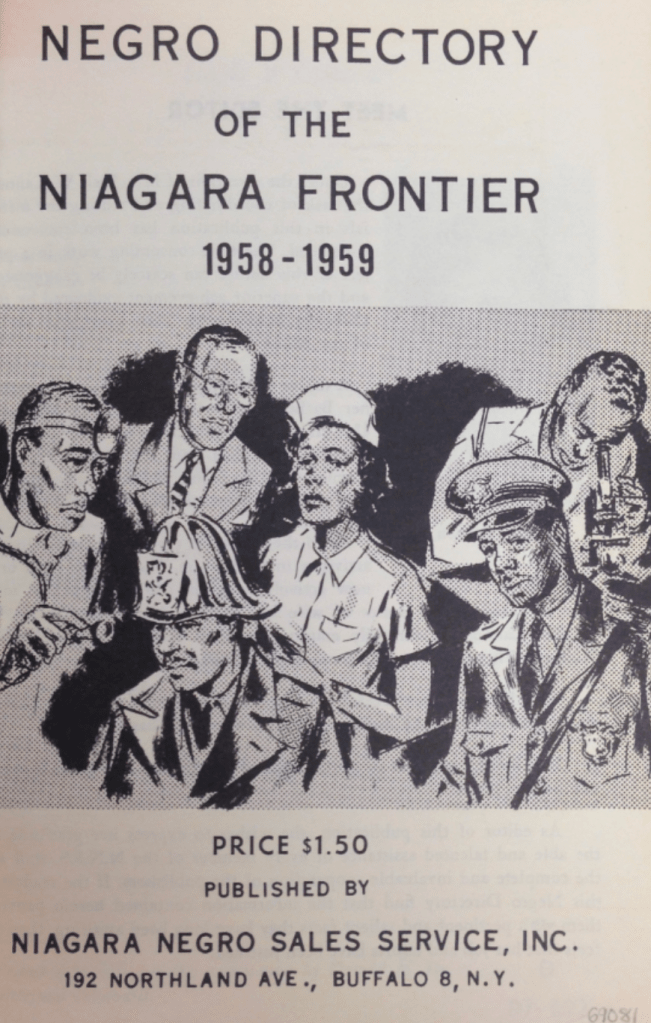
Negro Main Street is a digital humanities research project that examines the role of Black-owned directories in shaping Black urban space in the twentieth-century United States. Drawing on historical Black business directories, the project traces how commercial districts functioned as sites of economic activity, political organization, and spatial belonging under conditions of segregation and racial exclusion. By indexing and mapping these directories over time, Negro Main Street makes visible the infrastructures of Black urban life and illuminates the relationship between race, commerce, and the development of American cities.

The State of Black Suburbs
- Co-PI: Dr. L’Heureux Lewis-Mccoy, NYU
The State of Black Suburbs Project examines Black suburban communities as a central but underexamined feature of contemporary metropolitan life. Challenging narratives that racialize suburbs as white and cities as Black, the project approaches Black suburbanization as a process shaped by both choice and constraint. The project documents the diversity of Black suburbs and analyzes governance, fiscal conditions, and racial inequality using a mixed-methods approach, including empirical analysis, surveys, and interviews with residents and local officials. The project reframes Black suburbs as critical sites for understanding race, space, and metropolitan politics in the United States.
Federalism, Intergovernmentalism and the Making of the American Administrative State

In 1932, the AMA helped major-city mayors create the U.S. Conference of Mayors, founded at a conference in Detroit, with the purpose of advocating for federal aid for cities (History of the National League of Cities).
Examines how federalism and intergovernmental governance structured the development of the U.S. administrative state and its racial consequences. The project analyzes how the rise of intergovernmental bureaucracy dispersed administrative authority across levels of government in ways that both expanded state capacity and entrenched racial inequality. Engaging theories of racialized organizations, the project shows how federalism and intergovernmental institutions operated as racialized organizational forms that shaped policy implementation, accountability, and inequality in the modern American state.
 Kimberley S. Johnson